The Treaty of Trianon (1920)
This is the most famous historical association. It was the peace agreement signed at the end of World War I between the Allied Powers and the Kingdom of Hungary.
- Location: Signed at the Grand Trianon palace in Versailles, France.
- The Outcome: It redrew the borders of Hungary, resulting in the country losing about 72% of its territory and 64% of its population.
- Legacy: The treaty remains a deeply sensitive and defining moment in Hungarian national identity, as millions of ethnic Hungarians suddenly found themselves living in neighboring countries like Romania, Slovakia, and Serbia.
The Trianon Palaces (Versailles)
Located within the park of the Palace of Versailles in France, these are two smaller, more “intimate” retreats for French royalty.
- Grand Trianon: A pink marble palace built by Louis XIV so he could escape the rigid etiquette of court life and pursue his affair with Madame de Montespan.
- Petit Trianon: Most famously associated with Marie Antoinette. It was her private sanctuary where she could live a “simpler” life away from the prying eyes of the court.+1
Café Trianon (The Cultural Icon)
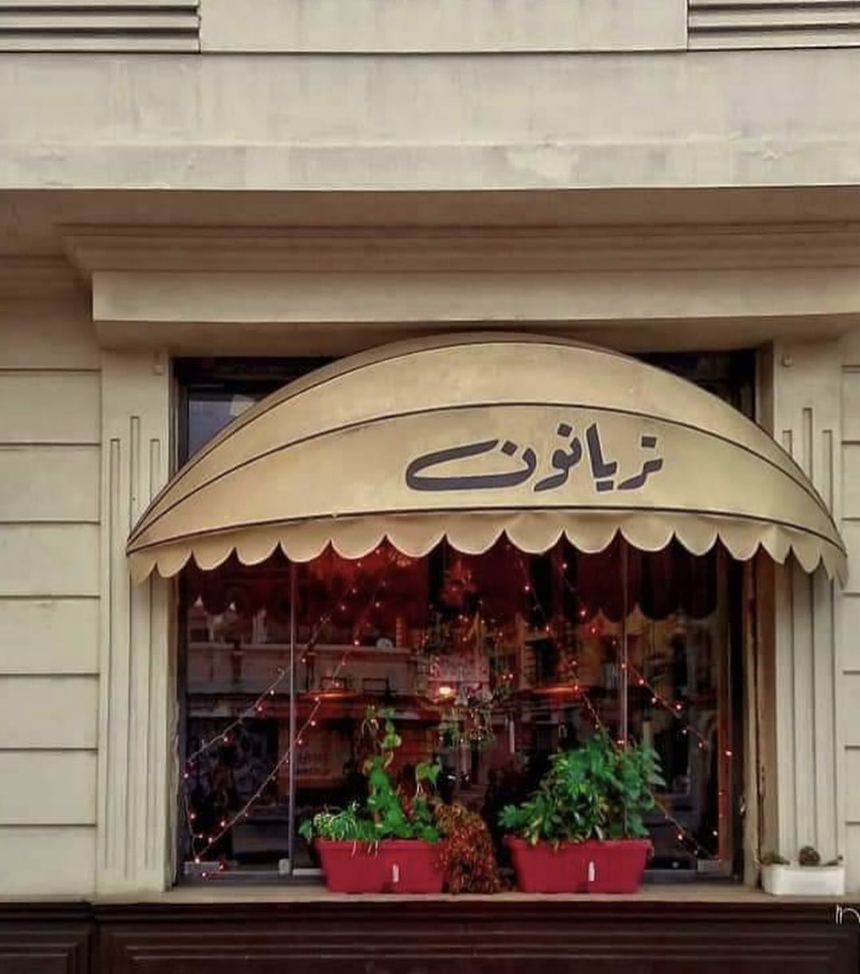
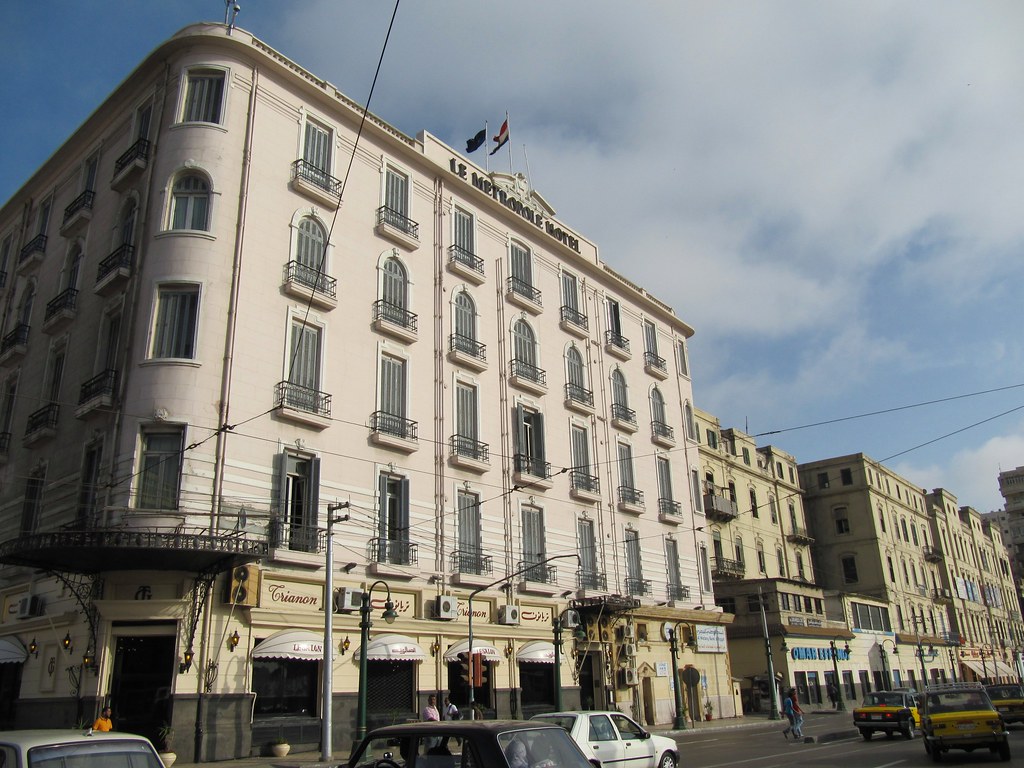
In many cities—most notably Alexandria, Egypt and several European hubs—”Trianon” is the name of world-class, historic patisseries.
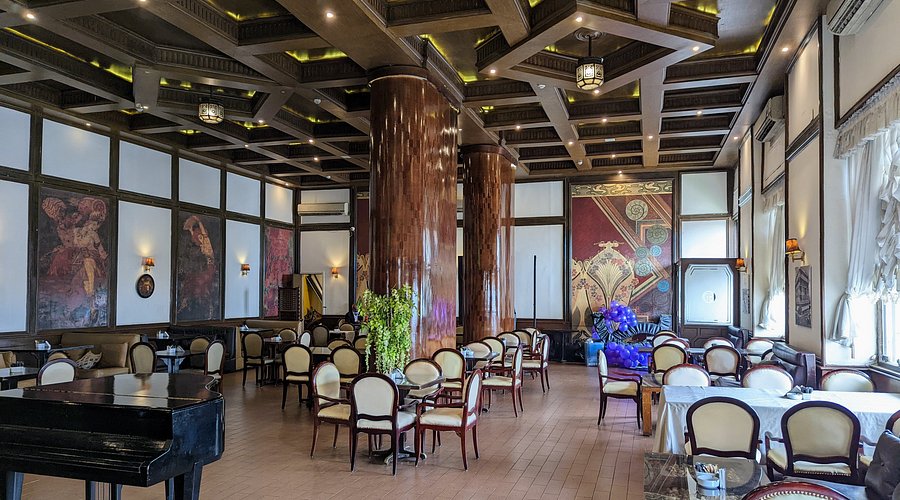
The Vibe: Known for high tea, elaborate wood-carved interiors, and a sense of old-world European luxury.
Alexandria’s Trianon: Established in 1905, it was the haunt of world-famous figures like the poet Constantine Cavafy and remains a symbol of the city’s cosmopolitan “Belle Époque” era.